
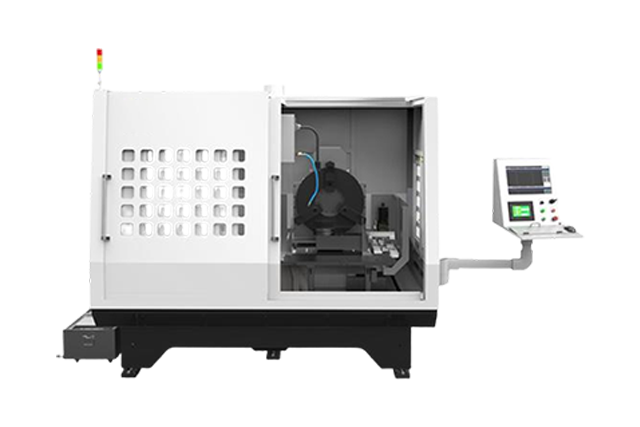
1. What Is a Diamond Wire Saw?
Diamond wire saws uses diamond abrasive particles on a wire to cut through materials.
The diamond particles will do the actual work of removing material.
While the wire guides the wire path.
So you can see how a diamond wire saws can allow you to cut with less kerf.
Materials that are typically cut by diamond wire saws are:
- Silicon
- Mono Crystalline
- Poly Crystalline
- Silicon Carbide
- Sapphire
- Glass
- Ceramic
- Quartz
- Crystal
- Etc
Which can all be used in wafer production.
You can use a diamond wire to slice through silicon.
To give you a better idea on what diamond wire saws can do.
They can impact the wafer thickness, TTV and even surface finish of the wafer.
Diamond + wire + wire tension + feed rate = Cutting material
2. How does a Diamond Wire Saw Work?
Diamond wire saws will work by pushing the wire through your work piece.
The diamond wire saws will control how the wire travels and the work piece feed rate.
By doing this you can cut through material with a diamond wire saws.
There are a few steps to a diamond wire saw.
First you will load your work piece on the machine.
Then you install your wire on the wire saw.
You will then set your wire tension.
Once everything is ready the wire will travel through the work piece.
While feeding the work piece through the wire.
Your diamond abrasive will cut through your work piece.
With water or another type of coolant flowing through to keep things cool and flush away chips.
This will continue until you reach your desired depth of cut.
As you can see there are a lot of variables when using a diamond wire saws.
Wire speed, wire tension, feed rate, wire size, depth of cut, water pressure etc.
All of which play a big role when cutting with a diamond wire saws.
3. What is Diamond Wire?
Diamond wire is used on diamond wire saws to cut through work pieces.
Diamond wire consists of a metal wire with diamonds on the outside.
The wire will allow you to apply tension and guide the wire.
Whereas the diamond abrasive will do the cutting.
So what goes into diamond wire?
Wire Size
As mentioned above you can vary the wire size on a diamond wire saws.
This can affect your kerf when cutting.
Diamond
You want to make sure your diamond abrasive is able to cut through the material you are working with.
Strength
The wire needs to be strong enough to hold tension while cutting.
So all of these factors go into diamond wire.
4. What is on a Diamond Wire Saw?
There are many parts to a diamond wire saws.
Diamond Wire
Obviously you will need diamond wire on your diamond wire saws.
Wire Tension
You need some form of tension to keep the wire where you want it.
Wire Guides
There will be guides to help keep your wire in place.
On multi wire saws this can also help space out your wires.
Wire Drive
Something will need to drive the wire through your work piece.
Feed System
There will be a feed system to push the work piece through the wire.
Many machines will use servo’s to move the work piece.
Coolant System
You will need water or some kind of coolant to keep things cool and remove chips.
Control System
Last but not least you need some form of control system on your diamond wire saws.
This will allow you to control tension, wire speed, feed rate and more.
All of which are important when cutting wafers.
5. Diamond Wire Saw Process
Step 1: Prepare your material
Before you begin cutting you will need to prepare your work piece.
If you are making wafers this could be a silicon ingot or SiC ingot.
Step 2: Load your work piece
You will need to mount your work piece onto your diamond wire saws.
Make sure it is secure and properly aligned.
Step 3: Install Diamond Wire
Install your wire of choice on your diamond wire saws.
Depending on what you are cutting you may want to use a smaller wire.
Step 4: Apply Tension
Apply tension to your wire.
This will help keep your wire where you need it when cutting.
Step 5: Travel Wire
Now its time to start traveling your wire.
Your diamond wire saws will travel your wire at a programmed speed.
Step 6: Feed Work Piece
Once your wire is moving you can begin feeding your work piece.
Your diamond abrasive will remove material from your work piece.
Step 7: Apply Coolant
Coolant should be applied to the work piece while cutting.
This will help with heat and flushing chips away.
Step 8: Finish Cut
Continue until you reach your desired depth of cut.
Your machine can then move on to the next cut if applicable.
6. Diamond Wire Saw for Silicon
Silicon is one of many materials that can be cut by a diamond wire saws.
When growing silicon you can create ingots of silicon.
These ingots will need to be sliced into wafers.
Diamond wire saws can help with that process.
There are many things to consider when slicing silicon with a diamond wire saws.
Some of these are:
- Thickness
- TTV
- Surface Finish
- Kerf
- Edges
- Bow
- Warp
So there are many factors to consider when using a diamond wire saws to slice silicon.
Grow Silicon -> Process Ingot -> Diamond Wire Saw -> Grind -> Polish -> Clean -> Inspect
As you can see diamond wire can give you a thin cut when slicing silicon.
Helping you lose less material when slicing your wafers.
Nanjing Top Wafer offers Diamond wire saws that can slice silicon wafers from 2″ – 12″.
Some of their wire saws offer wire sizes as small as 0.04mm.
They also offer diamond wire saws for semi conductor single crystal silicon.
7. Diamond Wire Saw for SiC
SiC is another material that can benefit from a diamond wire saws.
SiC is extremely hard so using traditional methods can be difficult.
Using a diamond wire can allow you to cut through SiC.
By controlling your diamond wire you can cut through SiC with ease.
There are many things to consider when cutting SiC with a diamond wire saws.
Wire size, tension, speed, feed rate and more.
Nanjing Top Wafer offers Diamond wire saws that can slice SiC wafers from 2″ – 8″.
With wire sizes ranging from 0.06-0.15mm.
8. Diamond Wire Saw for Sapphire
Sapphire can also be cut with a diamond wire saws.
Sapphire is used in many applications due to its hardness and clarity.
Cutting sapphire can be difficult but diamond wire can help.
Just like with other materials there are many things to consider when cutting sapphire.
Nanjing Top Wafer offers Diamond wire saws that can slice sapphire from 2″ – 6″.
With wire sizes ranging from 0.08-0.18mm.
9. Diamond Wire Saw vs Traditional Saw
Diamond wire saws differ from traditional saws in many ways.
Feature | Diamond Wire Saw | Traditional Saw |
Cutting medium | Diamond wire | Saw blade |
Cutting path | Narrow | Generally wider |
Material loss | Low | Often higher |
Hard material processing | Excellent | Depends on blade |
Thin slicing | Excellent | More challenging |
Wafer applications | Excellent | Limited in many cases |
Tool flexibility | High | Moderate |
Multi-slice cutting | Possible | Equipment dependent |
One benefit of using diamond wire is the small wire.
This can help when slicing thin wafers.
Because you will be losing less material when slicing your work piece.
Which can save money when working with expensive materials.
Such as silicon and SiC.
10. Diamond Wire Saw vs Single Wire Saw
Diamond wire saws refers to the technology of using diamond wire.
Whereas a single wire saw is a machine that uses one wire.
So you can have a single wire diamond wire saw.
Here is an example.
Diamond Wire + 1 Wire
You would be using one wire to cut through material.
Diamond Wire + Multi Wire
You would be using multiple wires to cut through material.
So there you have it diamond wire vs single wire.
11. Diamond Wire Saw vs Multi Wire Saw
Similar to diamond wire vs single wire they are not the same thing.
Diamond wire can be used on a single wire or multi wire machine.
Multi wire just means you are using more than one wire.
Diamond Wire = Using Diamond to cut material
Multi Wire = Using more than one wire to cut material.
Many multi wire machines will use diamond wire.
Which allows you to cut thin wafers with high output.
Nanjing Top Wafer offers a multi wire diamond wire saw called the MW2318.
Which can cut through silicon, SiC, Ceramic, Glass and Crystal.
12. Diamond Wire Saw Variables
There are many variables to consider when using a diamond wire saw.
Wire Size
As mentioned before wire size will impact your kerf when cutting.
The smaller your wire the less material you will lose when cutting.
But you will need to apply more tension to the wire.
Wire Speed
Wire speed can impact how fast your diamond wire saw can cut.
Depending on your application you may want to run your wire faster.
Wire Tension
Applying tension to your wire will help keep it in place.
If your wire has too little tension it can deflect when cutting.
Feed Rate
Your feed rate will determine how fast your work piece travels through the wire.
The faster your feed rate the faster you can cut through material.
Kerf
Kerf is how much material you lose when cutting.
You want to minimize kerf when cutting wafers.
TTV
TTV stands for total thickness variation.
This can tell you how your wafer thickness varies across the wafer.
Nanjing Top Wafer offers silicon wire saws that can achieve TTV of ≤5μm.
Surface Finish
You will want to consider the surface finish when cutting wafers.
Make sure your diamond wire is traveling correctly and your variables are dialed in.
13. Benefits of Diamond Wire Saw
Diamond wire saws have many benefits when cutting through materials.
Less Material Loss
Because you are using a thin wire you can lose less material when cutting.
Precise Cutting
Diamond wire saws can cut wafers with precise thickness.
Hard Materials
You can cut through hard materials with diamond wire.
Output
With multi wire you can increase your output when cutting wafers.
Wide Variety of Materials
Diamond wire can be used to cut through many materials.
Slice Thin Wafers
By using a thin wire you can slice thinner wafers.
14. Diamond Wire Saw Applications
There are many applications for diamond wire saws.
Semi Conductor
- Silicon
- SiC
- Etc
Photovoltaic
- Silicon
- Solar Wafers
Sapphire
- Substrates
- Optics
Ceramic
- Alumina
- Si3N4
- Zirconia
- Etc
Glass
Glass
Crystal
- Quartz
- Crystal
Nanjing Top Wafer offers diamond wire saws for all of these materials.
15. What to look for in a Diamond Wire Saw
When looking for a diamond wire saw you should know what material you are cutting.
If you are cutting silicon you will want to find a semi conductor diamond wire saw.
If you are cutting SiC you will want a high precision diamond wire saw.
Same goes for other materials.
Once you know what you are cutting you can look at work piece size.
You will also want to know how thick you need to cut your wafers.
And how many wafers you need to produce.
If you need to produce a large amount of wafers you may want to look into a multi wire machine.
There are many variables to consider when buying a diamond wire saw.
Wire size, speed, tension, feed rate and more.
Make sure to find a machine that fits your needs.
16. Nanjing Top Wafer Diamond Wire Saw
Nanjing Top Wafer Precision Equipment Co., Ltd. is a wafer equipment manufacturer.
They offer many types of equipment for wafer processing.
Nanjing Top Wafer offers diamond wire saws that can cut:
- Silicon
- SiC
- Sapphire
- Glass
- Ceramic
- Crystal
Their diamond wire saw can be used to slice single crystal silicon.
Their machine can accept silicon rod sizes for 8″ and 12″ wafers.
With a max processing length of 450mm.
Nanjing Top Wafer also offers high tech wire saw solutions for silicon wafers.
Their diamond wire saw can slice silicon from 2″-12″ wafers.
With wire sizes as small as 0.04mm and TTV ≤5μm.
They also offer wire speeds up to 3,000 m/min.
As you can see Nanjing Top Wafer offers a wide variety of diamond wire saws.
Home
17. FAQ
l What is a diamond wire saw?
A diamond wire saw is a machine that uses diamond wire to cut through material.
l How does a diamond wire saw cut?
By pushing a diamond wire through your work piece.
Allowing the diamond abrasive to remove material.
l Why use diamond on a wire saw?
Diamond is one of the hardest materials we know of.
So it can easily cut through hard materials.
l What can a diamond wire saw cut?
Diamond wire saws can cut through silicon, SiC, sapphire, glass, ceramic and many more materials.
l Can I use a diamond wire saw on silicon?
Yes you can use a diamond wire saw on silicon.
l Can I use a diamond wire saw on SiC?
Yes diamond wire can be used on SiC.
l Can I use a diamond wire saw on sapphire?
Yes diamond wire can cut through sapphire.
l What are the benefits of using diamond wire?
Diamond wire can give you a thin cut when slicing material.
Which can help you lose less material.
l Does a diamond wire saw only use one wire?
No you can have a multi wire diamond wire saw.
l What is the difference between diamond wire and multi wire?
Diamond wire is used to describe what you are cutting with.
Multi wire is when you have more than one wire on your machine.
So you can have a multi wire diamond wire saw.
l What will impact the accuracy of my diamond wire saw?
There are many things that can impact your diamond wire saw accuracy.
Make sure to dial in your variables when cutting.
l What will impact my kerf?
There are many variables that can impact your kerf.
Wire size, abrasive, variables and more.
18. Conclusion
Diamond wire saws are used to cut through hard and brittle materials.
By using diamond abrasive on a wire you can cut through many materials.
With the right variables you can achieve great results.
Diamond wire saws can be used on many materials.
Including silicon, SiC, sapphire, photovoltaic, ceramic, glass and crystal.
Diamond wire can be used on a single wire or multi wire machine.
Which can allow you to cut thinner wafers with higher output.
Depending on your application you can choose the right machine for your needs.
If you are looking to slice wafers a diamond wire saw is a great option.